
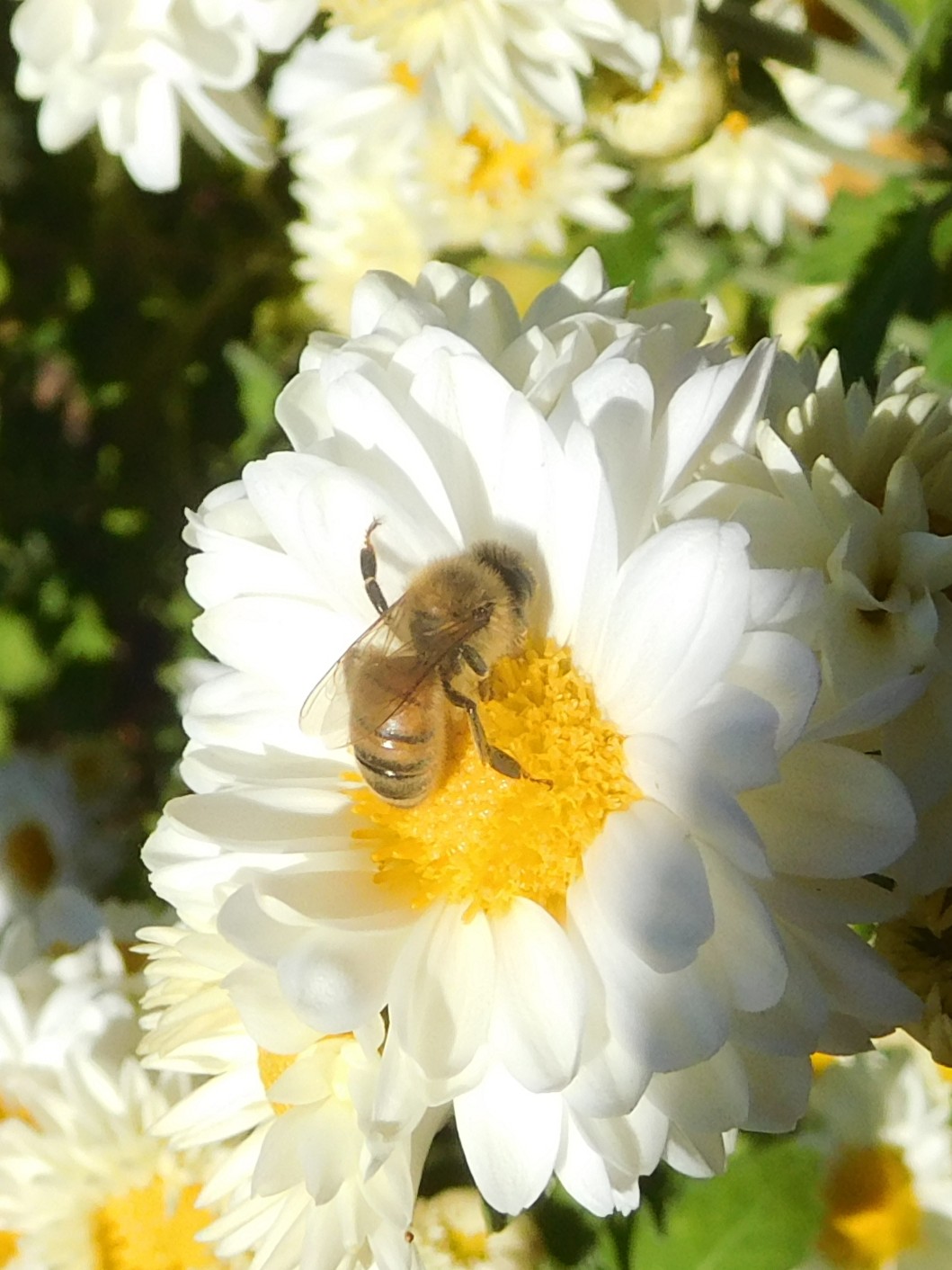
What is the difference between a trite phrase and cliché one? The similarity we know. Both are overused. Either term is applicable to many common expressions. Trite phrases are often descriptive: busy as a bee, red as a rose, bright as the sun. A command to “think outside the box” in order to stop using trite phrases employs a cliché. These are often well-worn but useless chunks of advice thrown back at people when a person cannot provide a real answer.
Often clichés have around a thirty year life cycle. The phrase becomes popular with adolescents and “twenty-somethings.” Then, the over-used saying drops in popularity after that time. The formerly “hip” phrases often regain a following when the generation grows older and start reoccurring in movies and TV programs due to nostalgic appeal. However, give an over-used phrase few years hiatus after that and it becomes largely incomprehensible to the next generation. It’s not wise to load your books with them unless you are writing period pieces. Trite phrases and clichés date books and make them seem no longer current.
Humans have the bizarre desire to repeat what other people say and still sound unique.
Humans have the bizarre desire to repeat what other people say and still sound unique. At one time all that is now considered trite was original, fresh and new. These phrases lingered on the periphery of written and spoken society. At some time in the future, current worn-out phrases will probably return to anonymity.
Comments like “twenty-three skidoo” and “Mrs. Grundy” are very rarely used today. They might be included in writing that deals with the period from1900 to 1930s. They might still pepper the dialog of characters from those times. We are often more familiar with positive sounding trite phrases from the past and still willing to praise something as the “bee-knees” or the “cat’s pajamas” today. There is a reason that derogatory terms like “Mrs. Grundy” disappear from our speech. We don’t openly explain what we dislike about this too proper and precise woman. The next generation is timid about using our clichés, not because they are too common, but because they don’t know what they mean.
However, there is another fate for frequently quoted phrases that remain in use. They may become idioms. Translators still struggle to convert our favorite idioms like “it’s time to hit the road,” into other languages. But, we keep using them. In college I studied literature/languages and during one class I discovered Shakespeare referred to jealousy as a “green-eyed monster” and a pointless search as a “wild goose chase.” When I learned koine Greek (the kind of Greek used during the Roman empire), I found that many of their idioms had transferred into English. Perhaps, that is because the early educated people were trained in Greek and Latin.
Unlike clichés and trite phrases, an idiom has staying power, which allows us the freedom to use them when we write.


 Write about what?