Years ago when I coached teams of graded school-aged children for Odyssey of the Mind, I learned about imagination in the psyche of the preadolescent child. Some children wanted to be conformists and preferred not to suggest ideas that were not familiar. It was more important that their idea was acceptable to the majority of their peers. Other children would come up with “crazy” ideas. They would have to sort through all the bizarre, unworkable variations to find some that would work.
Writing with a dose of fantasy woven into a familiar plot is closer to the tastes of the conformists. They like reading the adventures in unreality because this fits into their view of what a story should be. Students who are very conscious of what their peers think, prefer the same thing. In movies this is currently superheroes, and in books this is fantasy, tales of the wizards and magical creatures. They have a feel of familiarity, the echo of frequently repeated fairy tales. The villain is not even human most of the time. So, there is no need to fear that this story will reflect some tragedy that may occur to them in real life.
Insert a bit of magic into this real world setting and viola, the author has eliminated the need for most of the boring worldbuilding.
The magic school setting is an example of a young adult (YA) fantasy theme that keeps appearing. It does not require a terribly sophisticated audience and uses the real world situation of a group of students that attend a boarding school together (at least the real world situation for upper class youth). Insert a bit of magic into this real world setting and voila, the author has eliminated the need for most of the boring worldbuilding. The storytelling can begin almost instantly. If the plot begins to drag, just inject a new magical peril, like a troll or a dragon from a fairytale.
Fantasy novels still require creativity to write, but many authors try not to vary too far from proven plots and currently acceptable tropes. In the past fantasy was often viewed as a lesser genre by adults. But, those readers who grew up at the same time as me saw fantasy break into the realm of respectable literature. Now, it is encroaching on the fewer and fewer realistic works appearing for that demographic. When I recently attended a seminar for authors of (YA) books, the speakers were all writing fantasy works. Nobody seemed to be creating realistic novels for this age group. So, there should be room for my work about the struggles and trials of ordinary teenagers, right? Probably not.
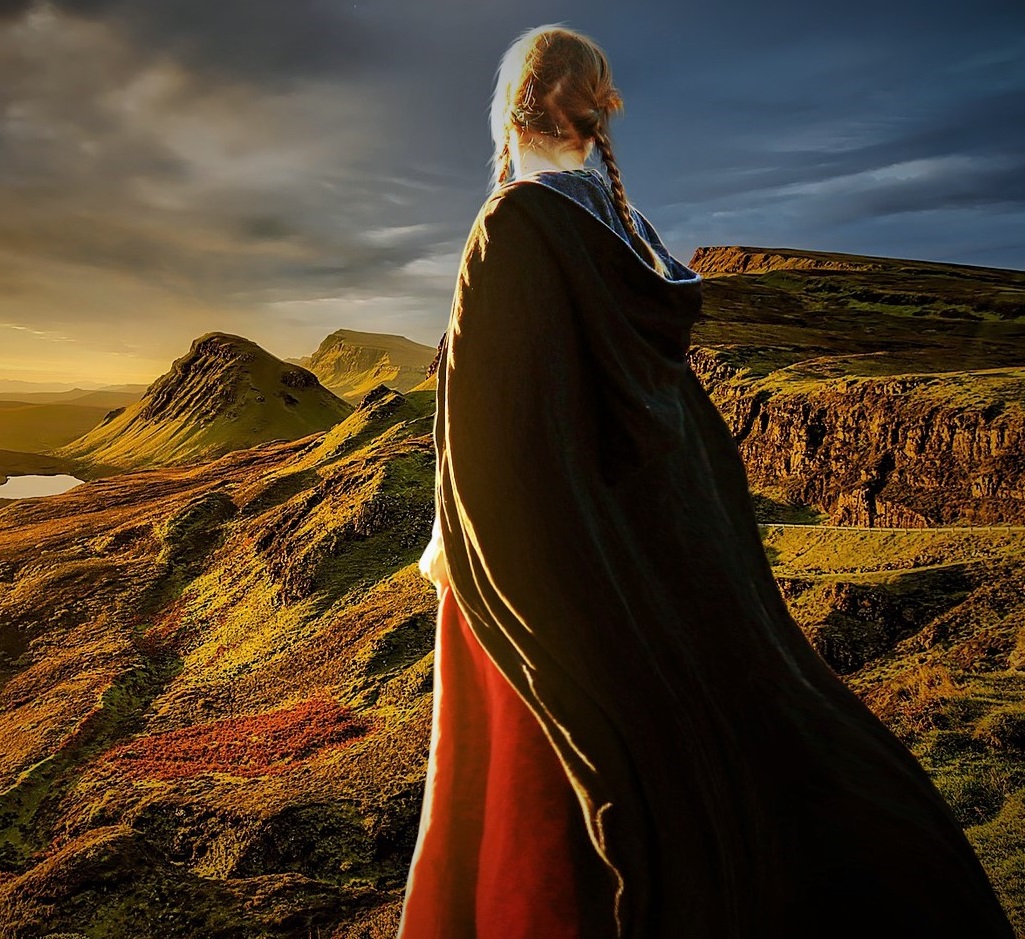
Illustration by www.pikist.com


 Write about what?