
The term post-apocalyptic brims with images of ruins, remnants of civilization crumbling around the world. Meanwhile humans a reduced to living like prehistoric hunter gatherers. Honestly, if a novel pictured how life improved for humans after the collapse of civilization, it would be considered a bit boring. A survey of post-apocalyptic books doesn’t reveal any in which the world has improved. Most are about turning society around to head in the right direction. Some novels blame the problems on “partial” people such as zombies, or mutants, essentially forms of humans we feel okay hating. Their plots are a war, in which the survivors who maintain their humanity and seem more like us, battle the ones who do not. I prefer post-apocalyptic books that deal with humans as they are.
The Postman by David Brin may seem like a dystopia, but it is a society pushed back to a primitive time by plague. Oddly enough, many of the people the postman encounters are willing to help him. And there are some genetically enhanced people on both sides of the conflict. In fact, this hopefulness at rebuilding society seems is the theme of the book. However, I actually prefer to movie to the book. There are large differences in the plots, such as the movie lacks super computers or genetically enhanced people.
The Last Book in the Universe by Rodman Philbrick is a YA book that deals with preserving literature is a gang run society that somehow survived an unspecified environmental catastrophe outside the protective bubble. But it becomes evident that the gangs are evolving into a kind of useful government. Those inside the bubble ate giving those outside a new technological entertainment that feeds directly to the brain. This addictive way to escape their troubles is the real problem. So, the actions of some residents of the prefect society in the bubble are the major problem. This book doesn’t really blame either side as much as it deals with the first steps in reuniting the two separated groups of humans.
It is true that humans are bent on achieving the power that allows them to destroy the earth in A Canticle for Leibowitz, Walter M. Miller Jr. but there is always a small group or remnant that remains. The concept of the monastery preserving knowledge and dignity of mankind in the same way that many did medieval times is very interesting. As is the fact that the action in this book spans millennia. This is probably my favorite post-apocalyptic book that ends on an optimistic note (although a very bittersweet one).

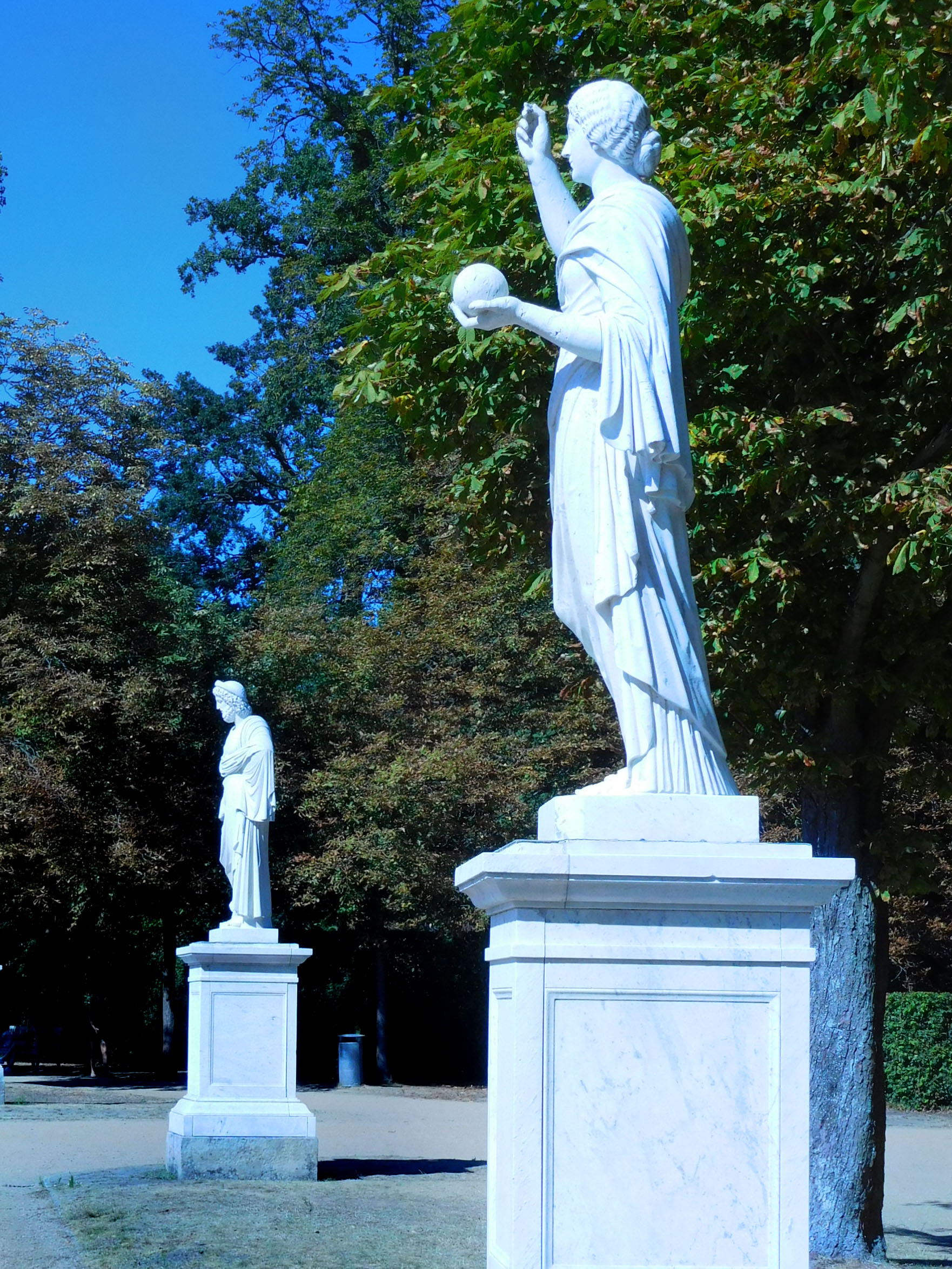 One type of government that keeps appearing in modern science fiction is a replica of the Roman Empire. From the gladiator-like entertainment by the Hunger Games series to the takeover of the Galactic Republic senate by Supreme Chancellor Palpatine in Star Wars, elements of the Roman political system keep appearing. Why does this particular empire fascinate us?


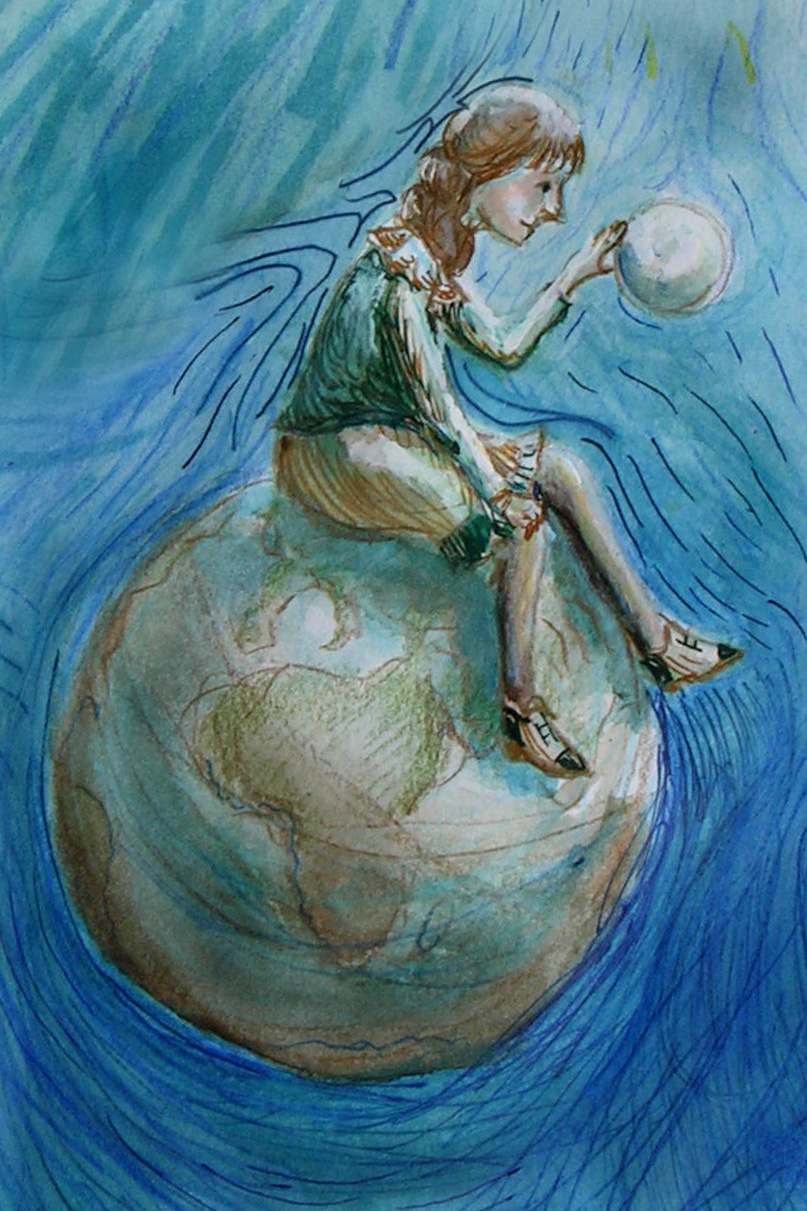 As a child, the stories that fascinated me the most were set in other lands. As an adult, reading passages that describe an unknown world still intrigues me. Simply throwing me into a story without a describing the setting leaves me floating in a void without stimuli, similar to floating in an isolation tank. At first this may be enjoyable experience but soon I become disoriented. I prefer the sights, sounds, smells and feel of a concrete world around me.
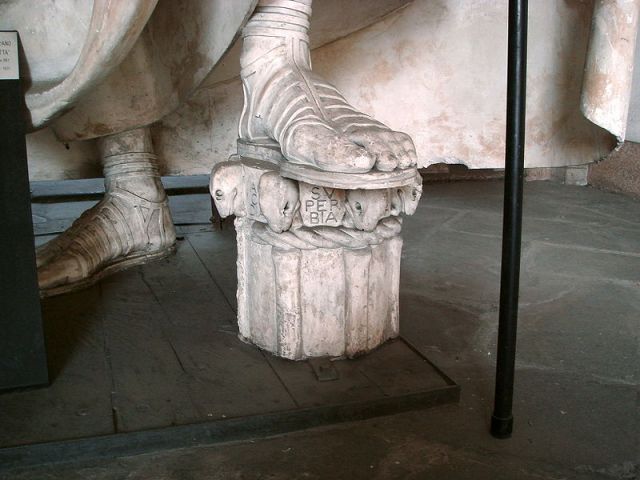 The character with charm, with the twinkle in the eye, who speaks noble words with the perfect voice, who makes the impassioned plea to turn the crowd around– the character with all the traits of charisma that we desire—that character doesn’t fare so well in fiction.